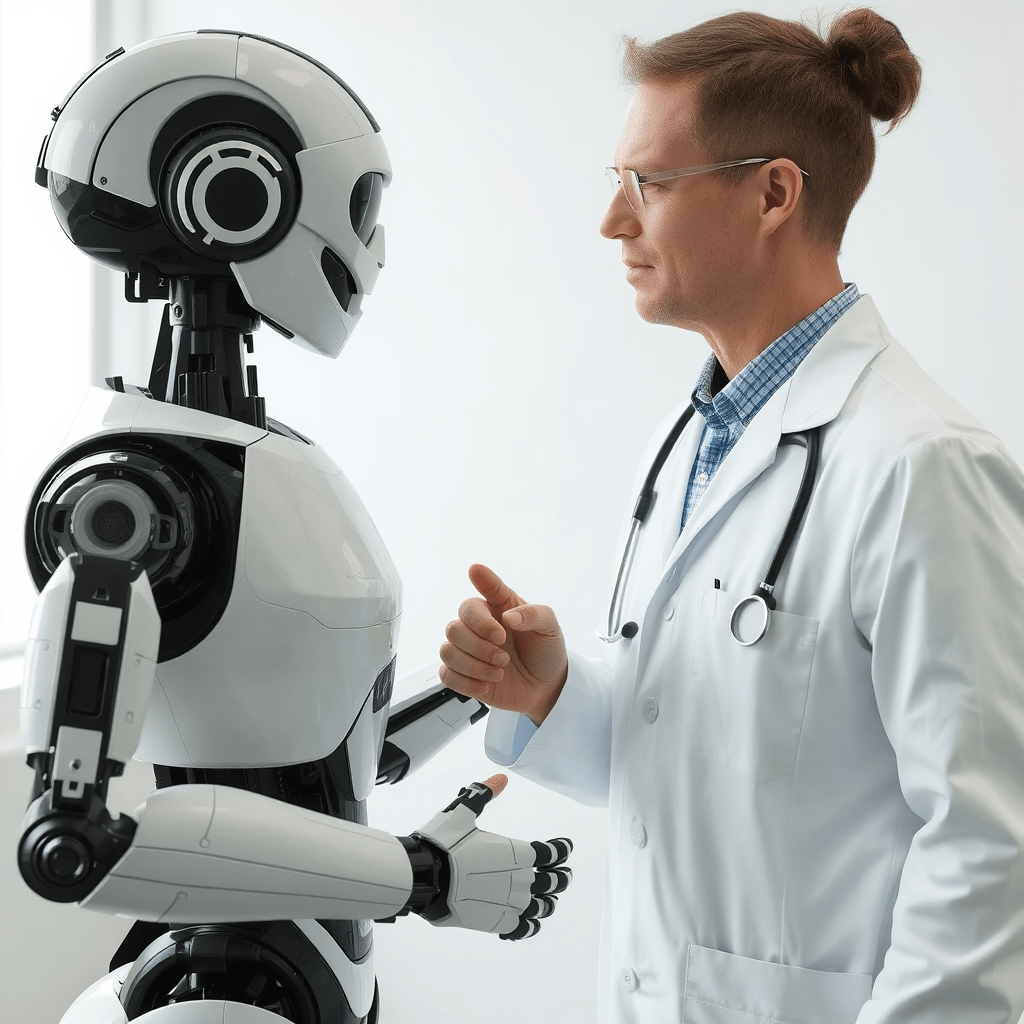
As Artificial Intelligence transforms diagnostics, treatment plans, and health management, a vital question emerges: Where does the healthcare professional fit in this new landscape?
AI is undeniably changing medicine. From predicting disease outbreaks to assisting in surgeries, its potential is vast. But while technology can enhance care, it can’t replace the human touch at the heart of healing.
AI in Healthcare: A Game-Changer, Not a Replacement
AI-powered tools like medical imaging systems, chatbots, and predictive analytics are helping professionals save time, reduce errors, and improve outcomes. Yet, they function based on data—not empathy, ethics, or personal experience.
Human intelligence—rooted in compassion, clinical intuition, and ethical reasoning—is what turns good care into exceptional care.
Why Human Intelligence Still Matters in Medicine
Empathy & Compassion: Patients don’t just want treatment—they want to be seen and heard. Only a human can provide that.
Clinical Judgment: AI may suggest a treatment, but the final call—balancing side effects, patient lifestyle, and unique conditions—rests with the healthcare provider.
Trust & Connection: Healing often begins with the therapeutic relationship, built on human presence and communication.
A New Era: Augmented Care, Not Automated Care
We’re moving into augmented healthcare, where professionals use AI to enhance—not replace—their expertise. Imagine:
Pharmacists using AI for drug interaction alerts
Nurses using predictive tools for early deterioration signs
Doctors using AI to detect tumors earlier
But always, it’s the human behind the screen who brings context, care, and courage.
How Medical Professionals Can Thrive in the Age of AI
1. Embrace tech as a tool, not a threat
2. Strengthen your emotional intelligence & communication skills
3. Stay updated with digital health trends
4. Lead with compassion—something no machine can replicate
Final Thoughts:
Healing is Human First
AI will continue to revolutionize medicine. But behind every algorithm, there must be a human who leads with heart. Because in the end, the best medicine is not just smart—it’s human.

 First Leader Pharmacist